


Why Is Mesopotamia Called the Cradle of Civilization?


For thousands of years, historians and archaeologists have referred to Mesopotamia as the “Cradle of Civilization.”
The term reflects a simple but powerful idea: many of the fundamental elements that define complex human societies first appeared in this region.
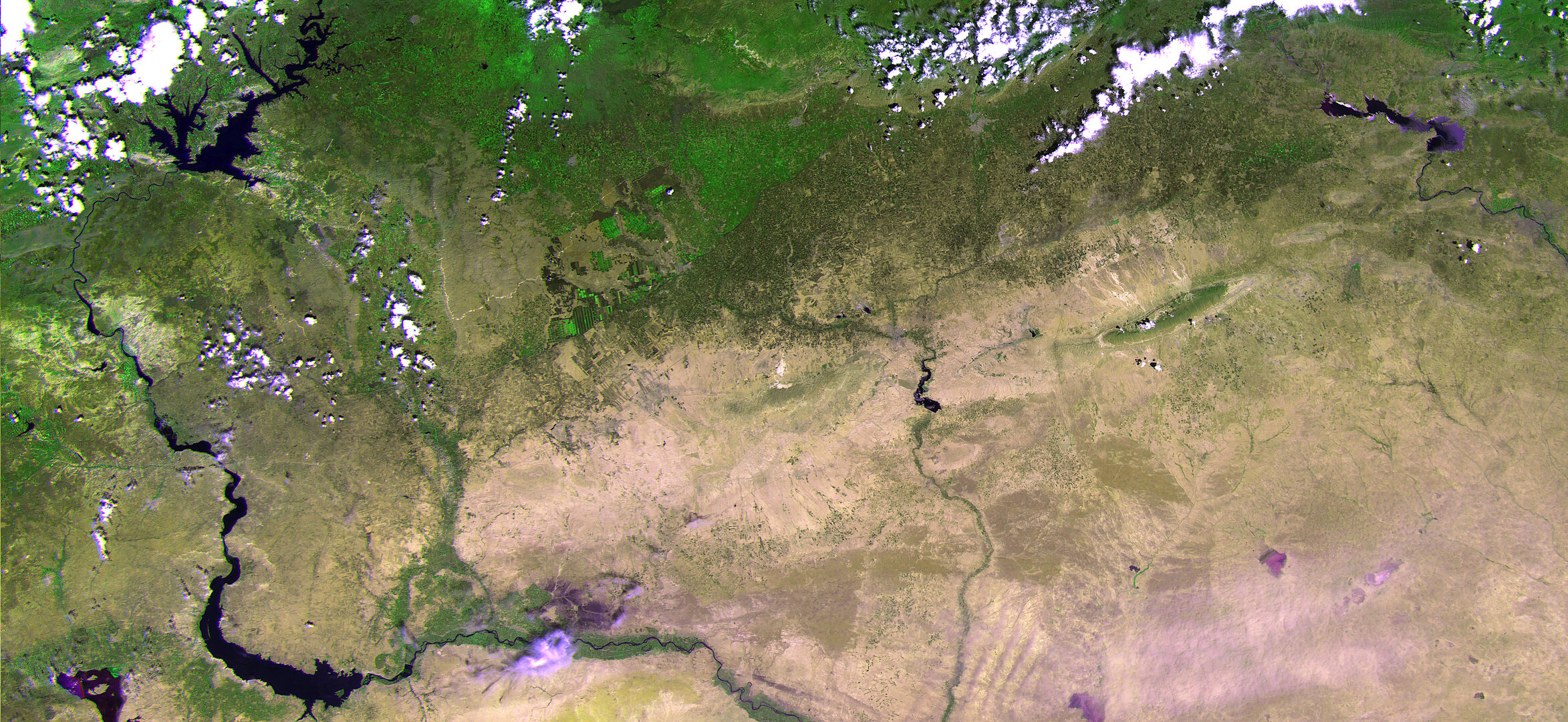
Located between the Tigris and Euphrates rivers, in what is now largely modern-day Iraq, Mesopotamia became the birthplace of some of humanity’s earliest cities, governments, writing systems, and legal codes.
In other words, many of the structures that organize the modern world began here more than five thousand years ago.
A Land Between Rivers
The word Mesopotamia comes from Greek and means “the land between rivers.”
These rivers flooded regularly, depositing fertile soil along their banks. This rich land allowed early farmers to grow crops such as wheat and barley in large quantities.
For the first time in history, agriculture began producing surpluses of food.
Food surplus changed everything.
Instead of every person needing to farm, societies could support:
- craftsmen
- priests
- administrators
- soldiers
- traders
This division of labor helped create the first complex urban societies.
The Birth of the First Cities


4
Around 4000–3000 BCE, Mesopotamia saw the rise of what many historians consider the first true cities in human history.
One of the most famous was Uruk.
At its peak, Uruk may have had 40,000 to 80,000 inhabitants, making it possibly the largest city on Earth at the time.
Cities like Uruk introduced features that are still fundamental to urban life today:
- organized government
- monumental temples
- trade networks
- specialized professions
- large-scale architecture
Urban civilization had begun.
The Invention of Writing
One of Mesopotamia’s most revolutionary contributions to human history was the invention of writing.
Around 3200 BCE, scribes in southern Mesopotamia developed cuneiform, a system of wedge-shaped marks pressed into clay tablets.
At first, writing was used for practical purposes such as:
- recording trade
- tracking taxes
- managing grain storage
But over time it evolved into something much more powerful.
Cuneiform allowed people to record:
- laws
- myths
- literature
- historical events
Some of the earliest known stories in human history—such as the Epic of Gilgamesh—survive because of these tablets.
Writing transformed human memory into something permanent.
The First Legal Systems
Mesopotamian societies also produced some of the earliest known formal laws.
One of the most famous examples is the Code of Hammurabi, created around 1754 BCE in Babylon.
This legal code contained nearly 300 laws covering subjects such as:
- property
- contracts
- marriage
- crime
- punishment
Although harsh by modern standards, the code represented a crucial step forward:
the idea that laws should be written and publicly known, rather than decided arbitrarily by rulers.
Innovation and Cultural Legacy
Mesopotamian civilizations—including the Sumerians, Akkadians, Babylonians, and Assyrians—developed many innovations that shaped later societies.
These included:
- early mathematics
- astronomical observation
- irrigation engineering
- organized religion
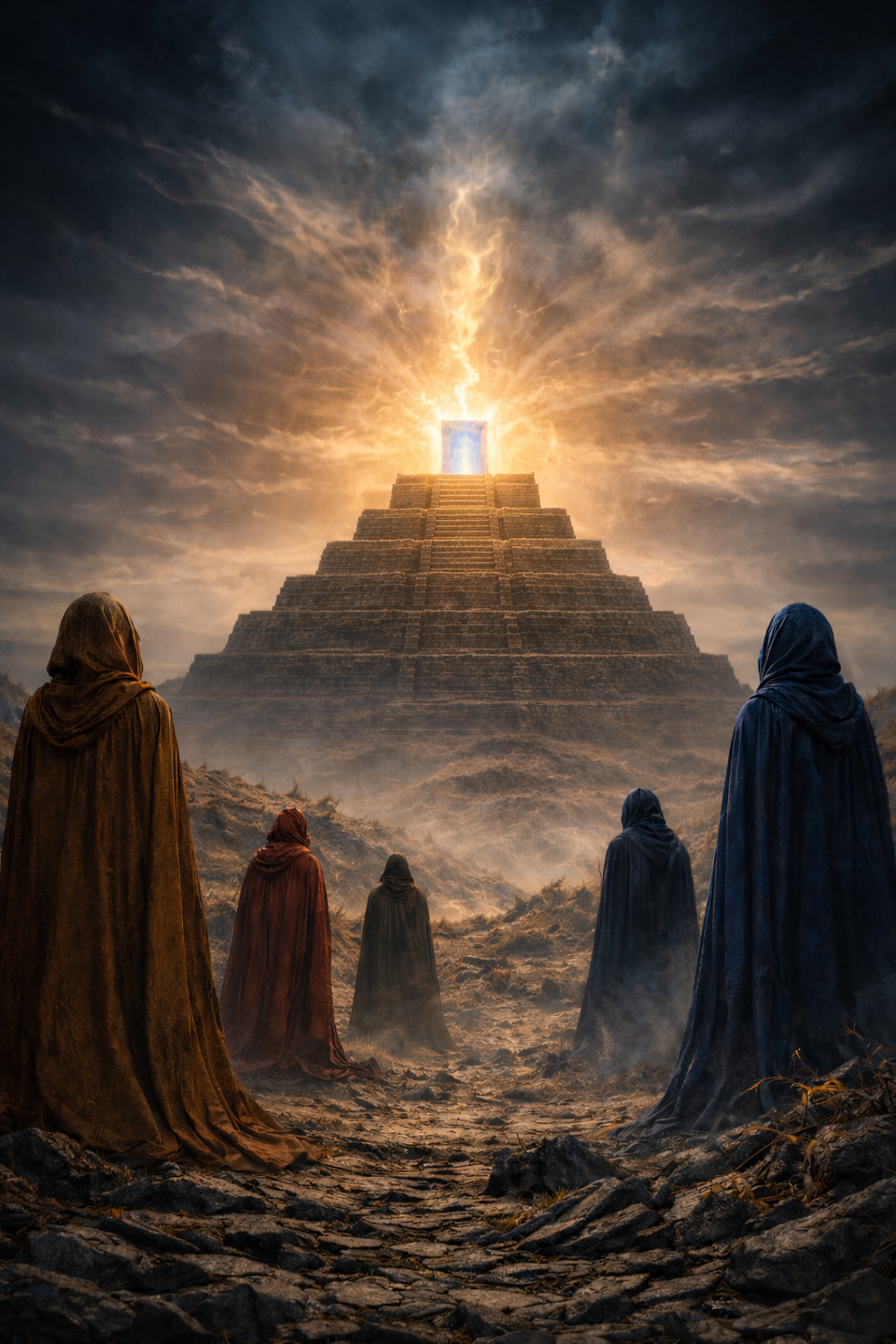
- monumental architecture such as ziggurats
Trade networks from Mesopotamia stretched across the ancient world, connecting distant cultures and spreading ideas.
Many aspects of later civilizations in the Mediterranean and Near East were influenced by these early developments.
Why the “Cradle” of Civilization?
The metaphor of a cradle suggests a place where something begins its life.
While other ancient civilizations also emerged in places such as Egypt, the Indus Valley, and China, Mesopotamia represents one of the earliest known regions where multiple pillars of civilization appeared together:
- cities
- writing
- law
- organized religion
- administration
- large-scale architecture
For this reason, historians often describe Mesopotamia as one of the places where human civilization was first “born.”
Echoes of the Ancient World
Today, the ruins of Mesopotamian cities still lie beneath the deserts of Iraq and surrounding regions.
Clay tablets, statues, and artifacts discovered by archaeologists continue to reveal new details about these early societies.
Some of these objects—such as the famous Warka Vase from the city of Uruk—offer rare glimpses into the beliefs and rituals of the first urban civilizations.
They remind us that the foundations of the modern world were laid thousands of years ago in the land between two rivers.
And in many ways, the story of civilization still begins there.


