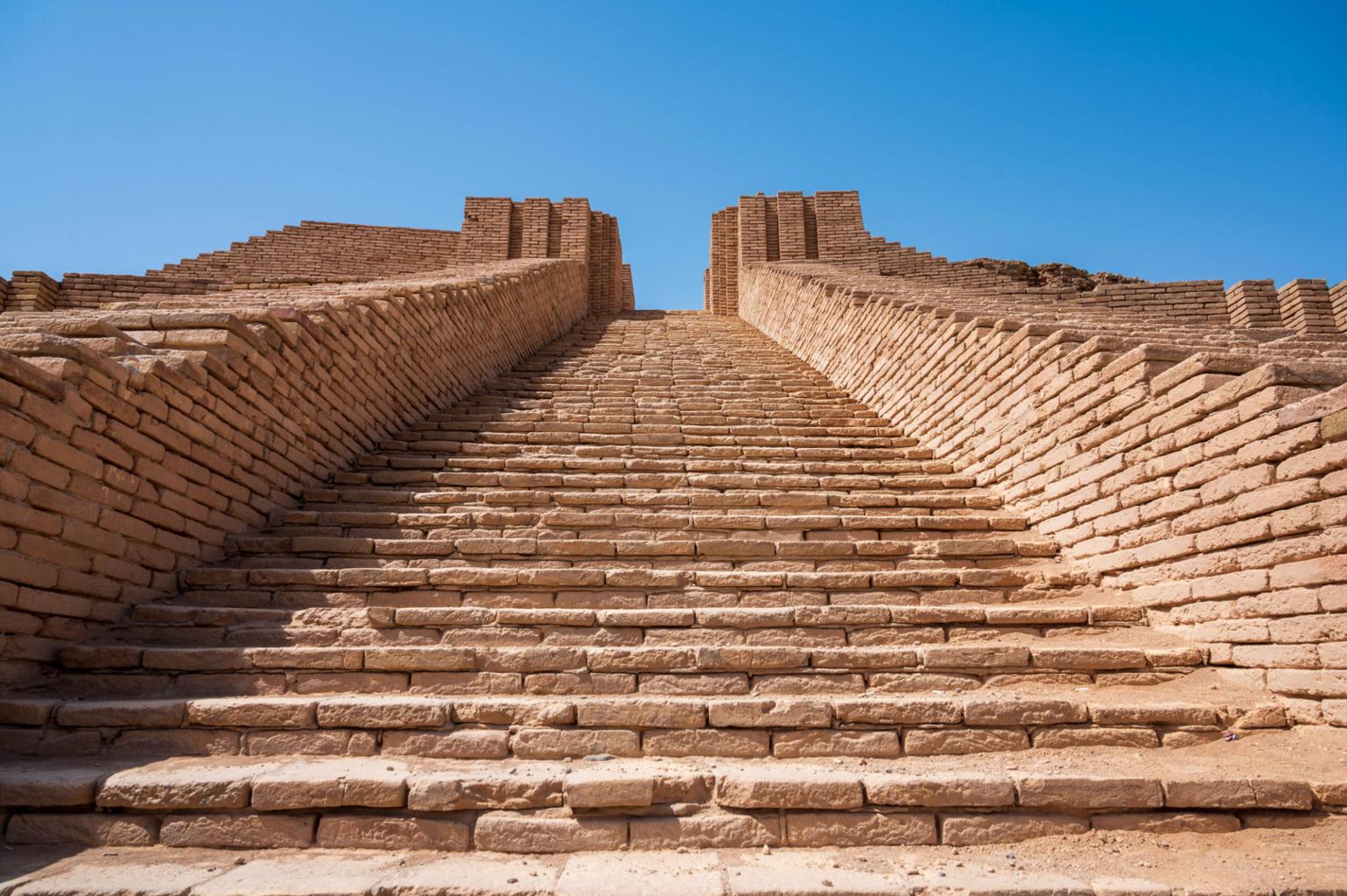
Zigurate
https://images.openai.com/static-rsc-3/kA5KNY7SNPgOitHprn482M3UoqVR7pH8Qlai_EZxsx5SgkdJslZKE3G1GFwsactXx0OnMWqwMU1fFUqi-03jntJwB4liAEmd3HMKcsVaAMU?purpose=fullsize&v=1
https://upload.wikimedia.org/wikipedia/commons/6/6b/Ziggarat_of_Ur_001.jpg
https://images.openai.com/static-rsc-3/OY6gSj0iHnT85jWopImmcvmoT9bbTZuriagPl7DfgI_VVVMeFu1u8znJ9nLPBSWX96sv_h0MK62QyInaEFOXvVnj7occn1L911YxKH9O4PI?purpose=fullsize&v=1


A ziggurat was a monumental temple structure built by the ancient civilizations of Mesopotamia, particularly the Sumerians, Akkadians, Babylonians, and Assyrians.

These buildings were massive stepped pyramids made primarily of mud bricks, often rising in several tiers above the surrounding city. At the top of the structure stood a temple or shrine dedicated to a specific god or goddess.

Unlike Egyptian pyramids, which were built as tombs, ziggurats served a religious and ceremonial purpose.

In Mesopotamian belief, the ziggurat functioned as a symbolic bridge between heaven and earth. The elevated temple allowed priests to perform rituals closer to the divine realm, reinforcing the idea that the gods watched over the city.

One of the most famous examples is the Ziggurat of Ur, built around 2100 BCE during the reign of King Ur-Nammu. Even today, its partially restored ruins stand in southern Iraq, offering a glimpse into the monumental architecture of the world’s earliest urban civilizations.

Ziggurats dominated the skylines of Mesopotamian cities and served as powerful symbols of both religion and political authority. Cities often identified themselves with the deity whose temple crowned their ziggurat, making these structures the spiritual heart of urban life in the ancient Near East.

Monday, 16 March 2026 17:51

A Curious Beginning: Long before modern secret societies, historians believe that one of the earliest organized initiatory groups may have emerged in ancient Greece around the 6th century BCE . This...

Monday, 16 March 2026 17:09

A Map of the First Civilizations For thousands of years, the lands between the Tigris and Euphrates rivers formed the heart of the ancient world. Here, the earliest cities rose from fertile plains,...

Monday, 16 March 2026 16:35

Lamassus: Guardians of the Ancient Cities Among the most striking figures of ancient Mesopotamian art are the Lamassu , monumental guardian beings that stood at the entrances of Assyrian palaces and...

Monday, 16 March 2026 15:03

A ziggurat was a monumental temple structure built by the ancient civilizations of Mesopotamia, particularly the Sumerians, Akkadians, Babylonians, and Assyrians . These buildings were massive...

Monday, 16 March 2026 14:56

Why Is Mesopotamia Called the Cradle of Civilization? For thousands of years, historians and archaeologists have referred to Mesopotamia as the “Cradle of Civilization.” The term reflects a simple...

Sunday, 15 March 2026 23:37

Where Was Uruk? Uruk, the city where the Warka Vase was discovered, was one of the first true cities in human history . Located in southern Mesopotamia, near the Euphrates River , Uruk flourished...

Sunday, 15 March 2026 22:35

What Is the Warka Vase? The Warka Vase is one of the oldest narrative artworks in human history. Discovered in the ancient city of Uruk , the vase dates to approximately 3200 BCE , placing it among...

Sunday, 15 March 2026 21:50

The Day Civilization Was Looted The Attack on the Iraq National Museum (2003) In April 2003, during the invasion of Iraq led by the United States and coalition forces, one of the most significant...

Reality is stable. Until it fractures.